
The Enigmatic World of ZhongKui
In the diverse universe of gaming, few games manage to seamlessly blend cultural heritage with modern innovation quite like "ZhongKui". This intriguing game draws inspiration from ancient Chinese folklore, particularly the legend of Zhong Kui, a figure known for his demon-quelling prowess. As we delve into the mechanics and appeal of ZhongKui, we will also explore the contemporary gaming landscape and how external factors, such as trends in entertainment and technology, are influencing its rise in popularity.
Origins and Background
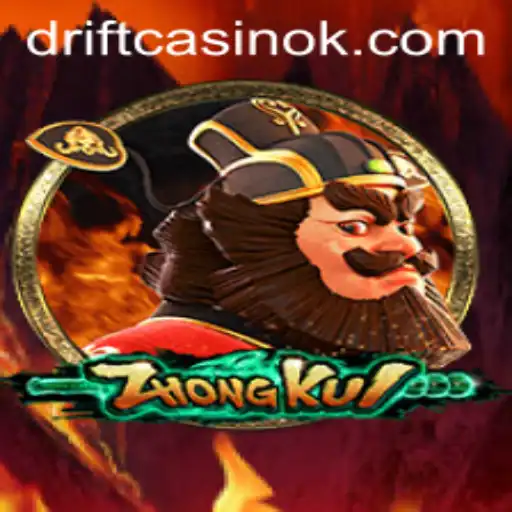
The game ZhongKui is steeped in the rich tapestry of Chinese cultural heritage. Zhong Kui, the legendary figure from whom the game draws its name, is traditionally represented as a vanquisher of ghosts and evil entities. Known for his distinctive appearance and unwavering determination, Zhong Kui is celebrated during the Chinese New Year for his protective qualities.
ZhongKui, the game, captures the essence of this lore by embedding elements of strategy and adventure, designed to immerse players in a world where they confront and overcome various spectral adversaries. This unique fusion of cultural roots and strategic gaming mechanics sets ZhongKui apart in the current gaming arena.
Gameplay and Rules
The mechanics of ZhongKui revolve around players assuming the role of the titular character, embarking on a quest to cleanse realms of malevolent spirits. The game board, richly decorated with motifs reflective of ancient Chinese art, serves as the battlefield where players navigate and strategize.
Objective: The primary aim in ZhongKui is for players to utilize their skills and resources to defeat the array of demons and spirits that populate the game world. Strategic thinking and resource management are key to successfully defeating each supernatural adversary.
Setup: Players begin with a designated number of resource tokens, which may represent energy, spells, or amulets that Zhong Kui can use to his advantage. The board is set up to resemble a traditional temple layout, with different paths leading to encounters with various enemies.
Turn Structure: Each turn comprises several phases. Players first draw resource cards that can enhance their abilities or provide defenses against upcoming threats. Movement across the board is strategic, requiring players to choose paths carefully to avoid traps and trigger bonus events.
Combat Mechanics: When encountering spirits, players must engage in combat using a combination of their collected resources and strategic card play. The outcome of these encounters can hinge on both the player's foresight and tactical execution.
Winning the Game: Victory is achieved by successfully vanquishing all threats and sealing their portals, restoring balance to the game world. ZhongKui uniquely offers multiple victory conditions, providing varied strategic paths and replay value.
Impact of Current Events
In recent years, there has been a notable resurgence in interest for games that reflect traditional cultural narratives, fueled partly by global crises such as the pandemic, which rekindled interest in home-based entertainment. ZhongKui's ancient themes resonate with players seeking both escapism and a connection to global traditions. The rise of augmented reality and digital platforms has further enhanced this experience by allowing broader and more immersive interactions.
The game’s intersection with current technological advancements also reflects a larger trend in the gaming industry—the blending of physical and digital play elements. As technology continues to evolve, ZhongKui serves as a prime example of how ancient stories can be adapted to modern gaming paradigms, offering a fresh yet nostalgic experience to players worldwide.
Furthermore, with recent pushes for cultural inclusivity and appreciation within media and entertainment, ZhongKui stands as a testament to the global power of storytelling and its ability to transcend borders, inviting players into a narrative as challenging as it is enriching.